留学生工作

【学术专访】学术专访Md Shakib Hasan 韩文韬
作者: 发布时间:2026-11-13 点击数:
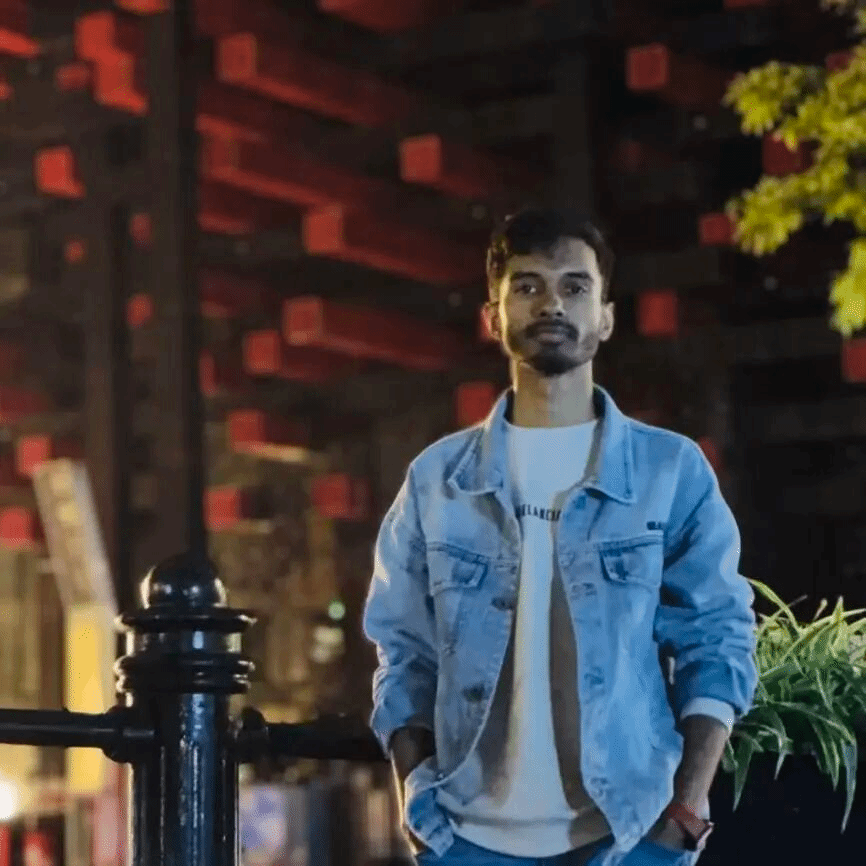
HASAN MD SHAKIB
韩文韬[孟加拉国]
华中师范大学
人工智能教育学部
计算机技术专业
于《Sensors》 《Journal of King Saud UniversityComputer and Information Sciences》 期刊上连续发表两篇高水平SCI论文
Journal: Sensors
IF: 3.5 Cite Score: 8.20 (Q1)
Journal: Joumnal of King Saud University Computer and Information Sciences
IF:6.1 Quartile: Q1 (SCIE)
缘起:跨越山海,情定桂子山
Q请简单介绍自己的国籍、研究方向和目前在华师的主要科研工作。Could you briefly introduce your nationality, research directions and current main research work at Central China Normal University?
A:Hello, I’m Md Shakib Hasan, you can call me by 韩文韬 as well. I am 23 years old, a Bangladeshi, currently a first-year master’s degree student specializing in Artificial Intelligence in Education. My main research revolves around Explainable AI ands Large Language Models. Recently, my focus has been on developing practical frameworks for hands-on engineering education and expert diagnostic system for zero-shot math skill identification.
你好,我是穆罕默德・沙基布・哈桑,大家也可以叫我韩文韬。我今年 23 岁,孟加拉国籍,目前是华中师范大学人工智能学部的硕士一年级学生。我的核心研究围绕可解释人工智能与大语言模型展开。近期我正聚焦两项工作:一是搭建面向实操工程教育的实用框架,二是开发用于零样本数学能力识别的专家诊断系统。
Q:当初为什么选择来中国攻读硕士学位?在众多中国高校中,是什么吸引你们最终选择了华中师范大学?Why did you choose to pursue a master’s degree in China in the first place? Among numerous Chinese universities, what attracted you to finally select Central China Normal University?
A:I am currently pursuing my Master's but am actively preparing for a PhD program. China is at the absolute pioneer of AI implementation. I chose the Faculty of Artificial Intelligence in Education at CCNU specifically because it perfectly bridges the gap between pedagogical theory and technical innovation.
我目前正在攻读硕士学位,同时也在积极筹备博士项目申请。中国在人工智能落地应用领域处于全球绝对领先地位。我专门选择华中师范大学教育人工智能学部,是因为这里完美衔接了教育学理论与技术创新,填补了二者之间的实践断层。
Q:初到中国时,遇到过哪些语言、生活或文化上的挑战?你们是如何适应和克服的?华师的老师、同学或国际交流处提供了哪些帮助?What challenges in terms of language, daily life or culture did you encounter when you first arrived in China? How did you adapt to and overcome these challenges? What assistance did the teachers, students of CCNU or the International Exchange Office provide?
A:The initial transition certainly required adjustment. The main challenge I faced was the language barrier. Language is an ongoing journey, but actively studying for the HSK 4 exam has helped me immensely. The community at CCNU has been incredibly supportive; making friends through regular activities on campus has been one of the best ways to overcome cultural barriers and feel at home.
初来乍到确实需要一段适应期,我面临的最主要挑战是语言障碍。语言学习是一个长期持续的过程,主动备考汉语水平考试四级(HSK 4)给了我极大的帮助。华中师范大学的校园氛围非常包容友善;通过参加日常校园活动结识朋友,是我打破文化隔阂、找到归属感的最佳方式之一。
深耕:跨文化语境下的学术求索
Q:在华师做研究,你们感受到的学术氛围、研究方法、导师指导方式与自己国家有哪些不同?这些差异给你们的学术研究带来了哪些启发或挑战?What differences have you perceived in the academic atmosphere, research methods and supervisor guidance styles between CCNU and your home country? What inspirations or challenges have these differences brought to your academic research?
A:The academic atmosphere here is highly pragmatic and fast-paced. My supervisor, Prof. Dr. Xinguo Yu, provides guidance that encourages immediate, hands-on application of theoretical concepts. The research environment here and the facilities provided by the university have been crucial in allowing me to focus more on my research. Watching the achievements of my research group greatly inspires me to push myself beyond my capabilities.
这里的学术氛围非常务实,研究节奏也很快。我的导师余新国教授的指导风格,是鼓励我们将理论概念立即落地、动手实践。学校提供的科研环境与硬件设施至关重要,让我能更专注地投入研究。看到所在科研团队不断产出成果,也极大地激励我突破自身能力边界。
Q:你是否与华师的中国师生或其他国家的国际学生有过学术合作?跨文化合作中最宝贵的经验是什么?有没有印象深刻的合作故事?Have you engaged in academic cooperation with Chinese teachers and students of CCNU or international students from other countries? What is the most valuable experience in cross-cultural cooperation? Do you have any impressive cooperation stories to share?
A:Yes, of course. I have worked with many Chinese students here at CCNU, and I also have had the opportunity to work with many international faculty members and students from countries like Pakistan, Indonesia, Nepal, Mexico, and the USA. One of the most rewarding products of these diverse collaborations was the co-authorship on the Adaptive Lab Mentor paper, which we were able to publish successfully in the journal Sensors. Learning how to integrate a 1D-CNN circuit classifier into a unified IoT framework across such a global group and navigating different cultural and working styles taught me that cross-cultural cooperation is really about leveraging everyone’s unique technical strengths.
当然有。我和校内很多中国同学有过科研合作,也有幸与来自巴基斯坦、印度尼西亚、尼泊尔、墨西哥、美国等多国的国际师生共事。
在这些多元合作中,最有成就感的成果是共同撰写了《自适应实验室导师》相关论文,并成功发表在《传感器》(Sensors)期刊上。和这支国际化团队协作,把一维卷积神经网络电路分类器整合进统一的物联网框架,同时协调适配不同的文化与工作风格,让我深刻体会到:跨文化合作的核心,是发挥每个人独特的技术优势。
桥梁:联接中外的学术与文化使者
Q:你们有没有参与过华师或武汉市的国际文化交流活动?这些活动给你们带来了哪些收获?Have you participated in any international cultural exchange activities organized by CCNU or Wuhan City? What gains have these activities brought you?
A:Yes, I have participated actively in several events. Besides the cultural exchange that comes with living in Wuhan on a daily basis, I have been to the Provincial Museum and the Yanji Yangtze River Bridge. In CCNU, I joined the English Proficiency Enhancement Program and the International Conference held by our Faculty of Artificial Intelligence in Education. I also participated in the “Wuhan Music Map” for the 2026 International Archives Day, recently. These experiences have given me a much deeper appreciation for the city’s rich history and have really broadened my global perspective.
是的,我积极参与了多项活动。除了在武汉日常生活里的文化浸润,我还去过湖北省博物馆、武汉长江大桥。在校内,我参加了英语能力提升项目,以及教育人工智能学院举办的国际会议。近期我还参与了 2026 年国际档案日的 “武汉音乐地图” 活动。这些经历让我对这座城市的深厚历史有了更深的体悟,也极大拓宽了我的国际视野。
Q:如果有机会向本国的青年学者推荐来华留学,你们会如何介绍华中师范大学?你们认为来华攻读博士学位最大的价值是什么?If you had the opportunity to recommend studying in China to young scholars in your home country, how would you introduce Central China Normal University? What do you think is the greatest value of pursuing a doctoral degree in China?
A:I would thoroughly recommend CCNU as a place where education research really comes to life. The biggest payoff of a PhD here is the opportunity to work with rich educational data and state-of-the-art technology, supported by faculty who are deeply committed to making a real difference in teaching and learning.
我会全力推荐华中师范大学 —— 在这里,教育领域的研究不是纸上谈兵,而是真正能落地生根。在这里读博最大的价值,是有机会接触体量丰富的教育数据与行业前沿技术,同时有一支深耕教学变革、致力于真正改善教与学的导师团队提供全程支持。
展望:逐梦未来,心系中外
Q:无论未来在哪里发展,你们希望如何延续与华中师范大学的联系?如何继续推动所在国与中国、与华师的学术交流与合作?No matter where you develop in the future, how do you hope to maintain your connection with Central China Normal University? How will you continue to promote academic exchanges and cooperation between your home country and China, as well as with CCNU?
A:I plan to maintain a strong professional relationship with my current academic supervisor, teachers of CICE, and colleagues. I hope to eventually facilitate joint research initiatives and perhaps host collaborative symposiums that connect CCNU researchers with institutions in my home country.
我计划和现任导师、CICE 的各位老师,以及同窗同事保持紧密的专业联系。我希望未来能促成双方的联合研究项目,也有望举办合作研讨会,搭建华中师范大学研究者与祖国高校机构之间的沟通桥梁。
尾声:桂子山的独家记忆
Q:如果用三个关键词来形容你在桂子山的这段经历,你会选择什么?为什么?If you were to use three keywords to describe your experience at CCNU, what would they be? And why?
A:Innovation, because of the constant drive to build AI diagnostic pipelines and IoT frameworks; Adaptability, because living here has pushed me to navigate new languages and diverse research approaches; and Community, because the friends I roam around with and the colleagues I code with have made Guizi Mountain feel like a second home.
第一个是创新—— 这里始终在推动搭建人工智能诊断系统与物联网框架,创新动力源源不断;第二个是适配—— 在这里的生活倒逼我掌握新的语言,适应多元的研究方法与协作模式;第三个是归属感—— 一起生活的朋友、并肩科研的同事,让桂子山成了我的第二故乡。
Q:最后,还有什么想对华师的老师、同学,以及全球关注华师的朋友们说的吗?
Finally, is there anything else you would like to say to the teachers and students of CCNU, as well as friends around the world who pay attention to CCNU?
A:To the teachers and students at CCNU, thank you for making this academic journey so rich and collaborative. To the friends around the world watching CCNU: this is a place where the future of education is actively being built, and I am incredibly proud to be a part of it.
想对华中师范大学的老师们和同学们说,谢谢你们让这段学术旅程如此充实、充满协作的温度。也想对全球关注华中师范大学的朋友们说:这里正在亲手塑造教育的未来,我为能成为其中一员感到无比自豪。